Does canopy cover raise sale price? reading the research without the hype
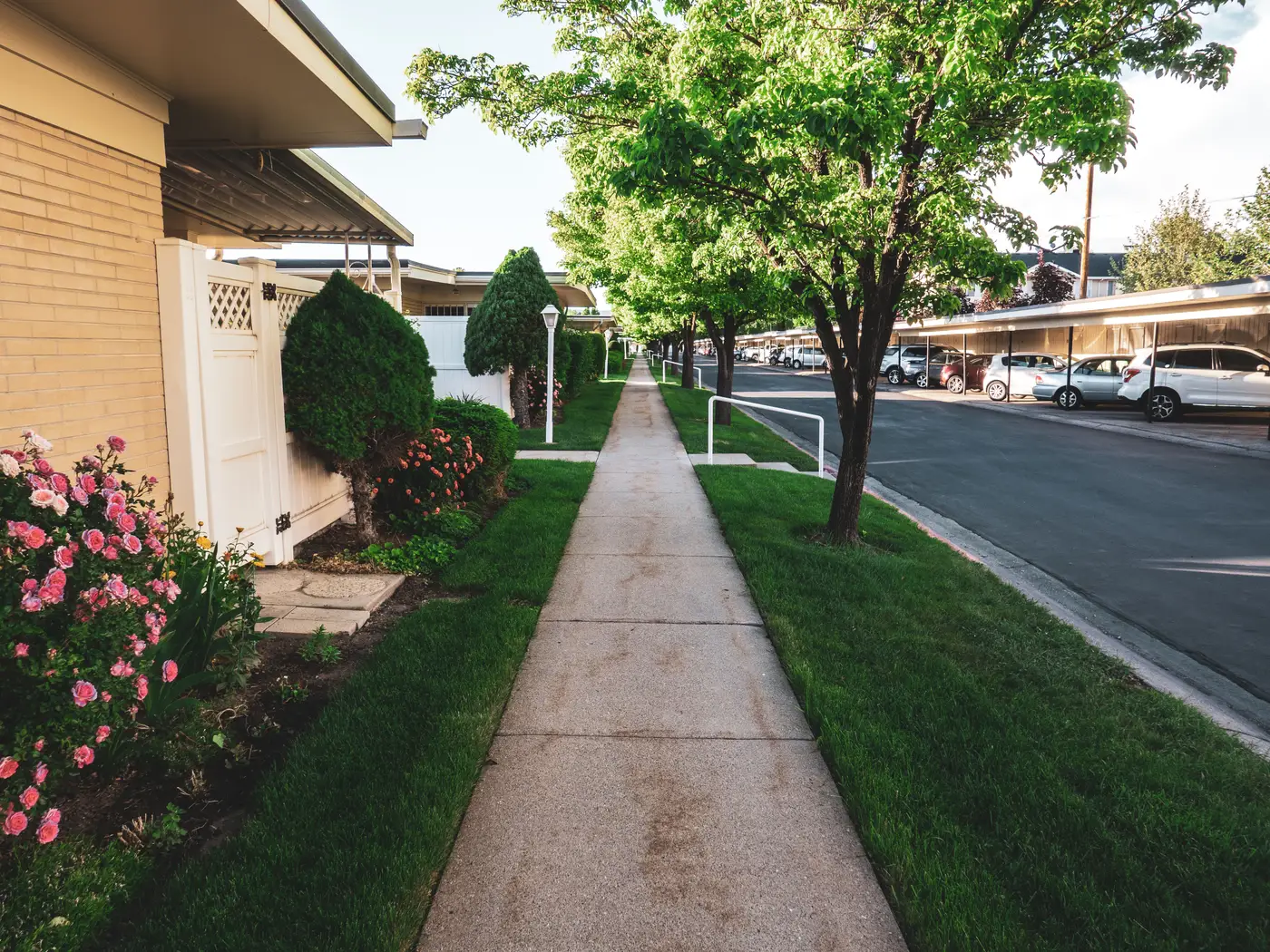
Every listing portal has had this conversation internally at some point. An agent swears the oak-lined block sells for more than the identical floor plan two streets over with no trees. Someone pulls up a study. The study gets quoted in a meeting, then nobody can find it again six months later when a different number gets quoted instead. The underlying question, does canopy cover raise listing value, is real. The answer just doesn't fit in one stat.
What the research pattern actually shows
Studies on urban tree canopy and residential sale price have been run by foresters, economists, and appraisal researchers for decades now, using different cities, different canopy definitions, and different modeling approaches. The pattern that holds up across most of them is directional, not a fixed figure: more mature canopy within view of or adjacent to a property tends to associate with a price premium, and the premium tends to be largest where canopy is relatively scarce in the surrounding area. A block with 40% cover in a city averaging 15% behaves very differently, price-wise, than the same 40% in a city averaging 35%. That's the part that gets lost when a single "trees add X% to home value" number circulates. The number was true for one metro, one dataset, one year. It isn't a constant you can apply to your own market.
There's a second finding that shows up almost as consistently: the relationship is non-linear. Going from no trees to some trees moves price more than going from a lot of trees to even more trees. Diminishing returns, in other words, which matters if your scoring logic assumes canopy percentage scales neatly with desirability.
Why canopy percentage alone won't settle it
Canopy percentage alone conflates a few different things a buyer responds to. A street with 30% cover and no usable open space reads differently than one with the same cover and a pocket park at the end of the block. A neighbourhood with heavy tree cover but also a lot of impervious surface, paved lots, long driveways, minimal permeable ground, doesn't feel as green as one where the trees sit over grass and yards. Appraisal and planning researchers have started treating canopy, open space, and impervious ratio as a set rather than a single input for exactly this reason. Buyers don't walk a street and register a percentage; they register shade, quiet, a patch of grass, the absence of pavement glare. That percentage is a proxy for the experience, and a rough one if it's the only number you've got.
This is also why the "walkability score" shortcut doesn't substitute for a greenness read. Walkability measures proximity to amenities. It says nothing about whether the route there is shaded or bare. Two neighbourhoods can score identically on walkability and feel completely different on the ground, and that difference shows up in how buyers rate the listing, even if your platform has no way to surface it.
Turning the pattern into something a listing page can show
None of this means canopy data is too messy to use. It means a single percentage pulled from one pass of imagery isn't the whole answer, and neither is a borrowed study from a different city. What holds up is a comparable, repeatable read built from canopy cover, open space, and impervious ratio together, scored consistently across every area in your inventory rather than lifted from someone else's research. That's a different exercise than citing a premium figure. It's measurement, done the same way for every neighbourhood you list, so an analyst can say "this area scores higher on green cover than that one" with something behind it besides a street-view impression.
That's the gap Greenness Scoring was built to close: canopy cover, open space, and impervious ratio from imagery, turned into one comparable score per area with the underlying components alongside it, refreshed annually rather than quoted from a decade-old paper.
If you're trying to put a greenness signal on your listing pages instead of leaning on a generic walkability number, that's worth a look.