What is a composite location score, and how does it differ from a walkability number
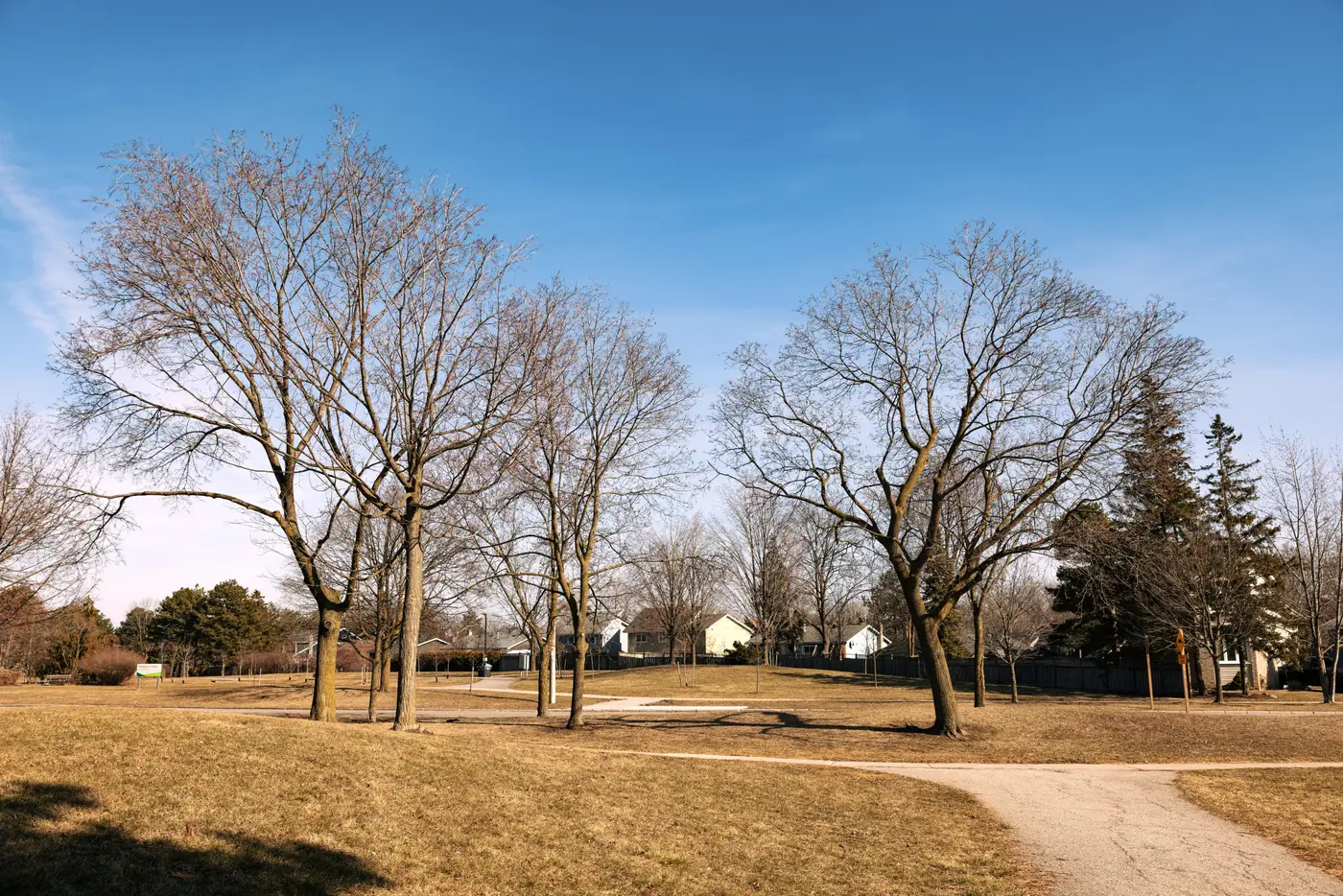
A composite location score takes several measurable layers of a place, how much tree canopy sits over it, how much ground is paved or built on, how much open space falls within a short walk, and combines them into one number per area. It's several components stacked and weighted so you can rank listing areas against each other on a consistent scale, while still being able to pull the raw numbers apart when a buyer or an editorial team asks why one zip code scored higher than the next.
Walkability scores do something narrower. They measure proximity to amenities: grocery stores, transit stops, schools, cafes. That's a real signal and plenty of portals already lean on it. But it answers one question, can you get around without a car, and it says nothing about whether the block is shaded or paved end to end, whether there's a park within five minutes, or whether the lot sits on exposed asphalt with no tree cover at all. Two neighborhoods can post the same walk score and feel completely different on the ground, one lined with mature trees and a pocket park, the other a strip of parking lots and low-canopy infill. The number can't tell you which is which.
For a property portal scoring listing areas, walkability and greenness are different axes. Collapsing them into one figure throws away information that buyers weigh differently depending on what they're shopping for, a family looking at shade and park access weighs it differently than someone shopping mainly on commute time.
What actually goes into the score
A composite location score for greenness usually breaks down into three measurable components, pulled from imagery rather than survey data or self-reported amenity lists:
- Canopy cover: the share of a parcel or listing-area polygon actually shaded by tree crown, not just zoned as green space on a map.
- Open space: parks, greenways and undeveloped land within the area boundary, distinct from canopy because a mowed field counts as open space but isn't shaded.
- Impervious ratio: the share of ground covered by buildings, roads, driveways and other paved surface, the inverse signal that tells you how much of the area is hardscape rather than ground that drains and cools.
Each component gets measured off the same imagery pass, so the three numbers are comparable across every area in the same batch. The composite score weights and combines them into a single figure, but the underlying components ship alongside it. That matters for a location-quality analyst who needs to explain a listing-page score to an editorial team or a brokerage partner, "this area scored low because canopy is thin, not because open space is lacking" is a sentence you can only write if the components survive the rollup.
Why a single number isn't enough on its own
A walkability score is a good fit for one job: proximity to daily amenities. It's a poor fit for a different job: telling a buyer whether a neighborhood is shaded, green and permeable, or paved and exposed. Bolting a greenness adjective onto a walkability platform doesn't fix that, because the underlying measurement still isn't looking at canopy, open space or impervious surface. It's still counting storefronts and bus stops.
A composite location score built from canopy, open space and impervious ratio measures the thing a walkability index was never designed to measure. Used alongside a walk score rather than instead of it, a portal gets two independent signals that can move in different directions, a dense, highly walkable block near a transit hub can still score low on greenness if it's wall-to-wall pavement, and a leafy low-density suburb can score high on greenness while scoring low on walkability. Showing both tells a buyer something neither number tells alone.
Greenness Scoring turns canopy cover, open space and impervious ratio from high-res imagery into that per-area score, delivered with its components intact so you can show the number and defend it. If your listing pages are missing a greenness signal entirely, that's the gap this fills.